Story 3 · Lessons 1–4
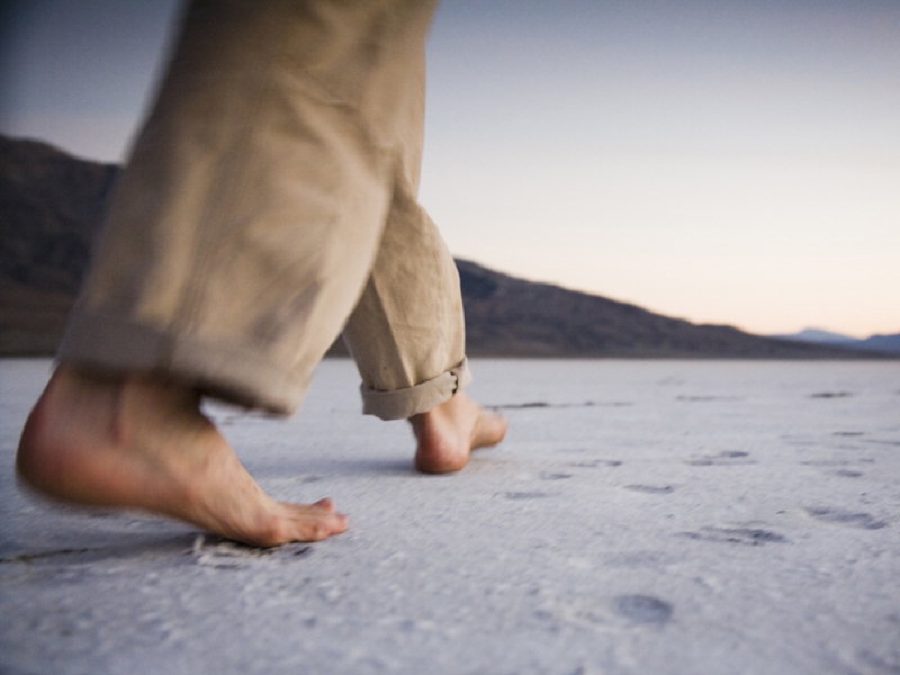
おとこのひとがあるいています
おとこのひとがあるいています
たいようはきいろのおおきいボールです
かれはあるいています
くさはきいろです
きはありません
はなはありません
みずはありません
かれはあるいています、あるいています、あるいています
かれはくるまをもっていません
かれはうまをもっていません
かれはあるいています、あるいています、あるいています
いま、たいようはあかいおおきいボールです
かれはあるいています
みずです!みずがあります!
おとこのひとははしっています
かれはみずをのんでいます、のんでいます、のんでいます
つきはしろいおおきいボールです
みずがあります、みどりのきがあります
かれは、ねています
Translation
Try reading it first, then tap to show the English
- A man is walking.
- The sun is a big yellow ball.
- He is walking.
- The grass is yellow.
- There are no trees.
- There are no flowers.
- There is no water.
- He is walking, walking, walking.
- He doesn’t have a car.
- He doesn’t have a horse.
- He is walking, walking, walking.
- Now, the sun is a big red ball.
- He is walking.
- It’s water! There is water!
- The man is running.
- He is drinking water, drinking, drinking.
- The moon is a big white ball.
- There is water, and there is a green tree.
- He is sleeping.
The story at a glance
- Pattern: たいよう / つき は 〇〇の おおきい ボールです: only the colour and the sun / moon change. And X は ありません → X が あります: nothing, then something.
- Ideas: a man walks through a dry, yellow land with no trees, flowers or water, and no car or horse; the sun turns yellow → red and the moon rises white (day → evening → night); he finds water, runs, drinks and sleeps.
- Reading tip: no spaces, so find the particles (は が を の) first; the verb is last (〜ています / 〜ていません). Particle は = “wa”, を = “o”. In おとこのひとははしっています the second は belongs to はしる.
Sentence by sentence
おとこのひとがあるいています
Otoko no hito ga aruite imasu. A man is walking.
- おとこのひと男の人man
- がsubject marker
- あるいて歩いてwalk (て-form)
- いますis (polite)
Structure[Subject が] [Verb て + います]
- おとこのひと = おとこ (male) + の + ひと (person) = “man” (an adult; 男の子 is a boy). が marks a new subject: first mention, so が, not は.
- あるく → あるいて + います = “is walking” (ongoing). あるく is a う-verb: く → いて.
たいようはきいろのおおきいボールです
Taiyō wa kiiro no ookii bōru desu. The sun is a big yellow ball.
- たいよう太陽sun
- はtopic marker
- きいろ黄色yellow
- のof / ’s
- おおきい大きいbig
- ボールball
- ですis (polite ending)
Structure[Topic は] [Colour] [い-adjective] [Noun] です
- きいろ is a noun, so it needs の before another noun (きいろのボール); あかい / しろい / おおきい are い-adjectives and go straight before the noun, even two in a row. Japanese says colour first (“red big ball”).
- ボール is katakana: a loanword (“ball”).
かれはあるいています
Kare wa aruite imasu. He is walking.
- かれ彼he
- はtopic marker
- あるいて歩いてwalk (て-form)
- いますis (polite)
Structure[Topic は] [Verb て + います]
- かれ = “he”: once the man is introduced, the story says かれ, and は (known topic) replaces が. Sentence 13 is the same.
くさはきいろです
Kusa wa kiiro desu. The grass is yellow.
- くさ草grass
- はtopic marker
- きいろ黄色yellow
- ですis (polite ending)
Structure[Topic は] [Colour noun] です
- きいろ (黄色) is a noun: きいろです, no い. The grass is yellow like the sun: a dry land.
きはありません
Ki wa arimasen. There are no trees.
- き木tree
- はtopic marker
- ありませんdoes not exist
はなはありません
Hana wa arimasen. There are no flowers.
- はな花flower
- はtopic marker
- ありませんdoes not exist
みずはありません
Mizu wa arimasen. There is no water.
- みず水water
- はtopic marker
- ありませんdoes not exist
Structure[Thing は] ありません
- あります → ありません = “there is → there isn’t”. Plants and objects use あります (people and animals use います).
- は gives “as for trees … none”: three nothings (trees, flowers, water) build a bare landscape. Keep this は in mind when が appears in 14 and 18.
かれはあるいています、あるいています、あるいています
Kare wa aruite imasu, aruite imasu, aruite imasu. He is walking, walking, walking.
- かれ彼he
- はtopic marker
- あるいて歩いてwalk (て-form)
- いますis (polite)
- 、×3repeated 3 times
Structure[Topic は] [Verb て + います] ×3
- Repeating the verb after a comma = a long, continuing action. Sentence 11 is the same line; 16 uses the same trick.
かれはくるまをもっていません
Kare wa kuruma o motte imasen. He doesn’t have a car.
- かれ彼he
- はtopic marker
- くるま車car
- をobject marker
- もって持ってhave (て-form)
- いませんis not (polite)
かれはうまをもっていません
Kare wa uma o motte imasen. He doesn’t have a horse.
- かれ彼he
- はtopic marker
- うま馬horse
- をobject marker
- もって持ってhave (て-form)
- いませんis not (polite)
Structure[Topic は] [Object を] [Verb て + いません]
- もつ → もって + います = “is holding / has”. The negative swaps います → いません: もっていません = “doesn’t have”. を marks what he doesn’t have.
- No car and no horse: nothing to ride, which is why he walks (and walks and walks).
いま、たいようはあかいおおきいボールです
Ima, taiyō wa akai ookii bōru desu. Now, the sun is a big red ball.
- いま今now
- たいよう太陽sun
- はtopic marker
- あかい赤いred
- おおきい大きいbig
- ボールball
- ですis (polite ending)
Structure[Time], [Topic は] [Colour] [い-adjective] [Noun] です
- いま (now) opens the sentence: time words come first. The frame is the story’s clock: sun yellow → sun red → moon white = day → evening → night.
みずです!みずがあります!
Mizu desu! Mizu ga arimasu! It’s water! There is water!
- みず水water
- ですis (polite ending)
- !excitement
- みず水water
- がsubject marker
- ありますexists (things)
- !excitement
Structure[Noun] です! [Noun が] あります!
- Compare 7: みずは ありません (topic: “as for water, none”). Now みずが あります: が marks a new discovery, a surprise. あります = “exists / there is”, the opposite of ありません.
おとこのひとははしっています
Otoko no hito wa hashitte imasu. The man is running.
- おとこのひと男の人man
- はtopic marker
- はしって走ってrun (て-form)
- いますis (polite)
Structure[Topic は] [Verb て + います]
- Read おとこのひと / は / はしって: the first は is the particle (“wa”), the second starts はしる (“ha”). はしる → はしって: ends in る but is a う-verb (る → って).
- The man is named again (not かれ): a new scene begins, he has seen water.
かれはみずをのんでいます、のんでいます、のんでいます
Kare wa mizu o nonde imasu, nonde imasu, nonde imasu. He is drinking water, drinking, drinking.
- かれ彼he
- はtopic marker
- みず水water
- をobject marker
- のんで飲んでdrink (て-form)
- いますis (polite)
- 、×3repeated 3 times
Structure[Topic は] [Object を] [Verb て + います] ×3
- のむ → のんで (む → んで) + います = “is drinking”. を marks what he drinks: みず. The threefold repeat echoes sentence 8: first the long walk, now the long drink.
つきはしろいおおきいボールです
Tsuki wa shiroi ookii bōru desu. The moon is a big white ball.
- つき月moon
- はtopic marker
- しろい白いwhite
- おおきい大きいbig
- ボールball
- ですis (polite ending)
Structure[Topic は] [Colour] [い-adjective] [Noun] です
みずがあります、みどりのきがあります
Mizu ga arimasu, midori no ki ga arimasu. There is water, and there is a green tree.
- みず水water
- がsubject marker
- ありますexists (things)
- 、and
- みどり緑green
- のof / ’s
- き木tree
- がsubject marker
- ありますexists (things)
Structure[Noun が] あります、[Colour noun の Noun が] あります
- Two clauses joined by 、 (“and”). The trees and water that were missing in 5–7 now exist: が + あります marks them as new. みどり (緑) is a noun, so みどりのき, just like きいろの in sentence 2.
かれは、ねています
Kare wa, nete imasu. He is sleeping.
- かれ彼he
- はtopic marker
- 、pause
- ねて寝てsleep (て-form)
- いますis (polite)
Structure[Topic は] [Verb て + います]
- ねる (る-verb: drop る) → ねて + います = “is sleeping”. The comma after は is a small pause before the quiet ending: after walking, running and drinking, he rests.
Repeats: sentence 11 = 8 (かれはあるいています ×3); sentence 13 = 3 (かれはあるいています). The sun / moon frame returns in 2, 12 and 17; the walking / drinking repeat in 8, 11 and 16.
Vocabulary
- あかい 赤い
- red (い-adj.)
- あります —
- there is / to exist (things, plants). Negative: ありません.
- あるく 歩く
- to walk (う-verb). て-form: あるいて.
- います —
- to be, exist (living beings). In ています = “is doing”; negative いません.
- いま 今
- now (noun / time)
- うま 馬
- horse (noun)
- おおきい 大きい
- big, large (い-adj.)
- おとこのひと 男の人
- man (noun) · おとこ (male) + の + ひと (person)
- かれ 彼
- he (pronoun)
- き 木
- tree (noun)
- きいろ 黄色
- yellow (noun, also きいろい)
- くさ 草
- grass (noun)
- くるま 車
- car (noun)
- しろい 白い
- white (い-adj.)
- たいよう 太陽
- sun (noun) · よう = long “ō”.
- つき 月
- moon (noun) · also “month”.
- です —
- is / am / are (polite). Ends statements: A は B です.
- ねる 寝る
- to sleep, go to bed (る-verb). て-form: ねて.
- のむ 飲む
- to drink (う-verb). て-form: のんで.
- はしる 走る
- to run (う-verb). て-form: はしって.
- はな 花
- flower (noun) · not 鼻 (nose).
- ひと 人
- person (noun)
- ボール —
- ball (noun, katakana loanword)
- みず 水
- water (noun)
- みどり 緑
- green (noun) · みどりです, みどりの き.
- もつ 持つ
- to hold, to have (う-verb). もっていません = doesn’t have.
Particles
| Particle | Job | From the story | Note |
|---|---|---|---|
| は (wa) | Topic: “as for…” | たいようはきいろの…ボールです。 | Also contrast / denial: きはありません. |
| が (ga) | Subject, new information | おとこのひとがあるいています。 | Introduces the man; みずがあります! is a discovery. |
| を (o) | Direct object | くるまをもっていません。 みずをのんでいます。 | Marks what the action is done to. |
| の (no) | “of” / “’s”: links a noun to the noun after it | きいろのボール、みどりのき | Also inside おとこのひと. |
| 、 ! | Comma: pause / “and”. Exclamation mark: excitement | あるいています、あるいています、… みずです! |
Key grammar
〜ています “is doing” · 〜ていません “is not doing”
| Verb | て-form rule | Result |
|---|---|---|
| 歩く aruku | く → いて | あるいています = is walking |
| 走る hashiru | る → って (う-verb) | はしっています = is running |
| 飲む nomu | む → んで | のんでいます = is drinking |
| 持つ motsu | つ → って | もっています = has / holds · もっていません = doesn’t have |
| 寝る neru | drop る + て (る-verb) | ねています = is sleeping |
あります / ありません, and adjectives before a noun
| Idea | Rule | Story example |
|---|---|---|
| Things, plants | あります / ありません | みずがあります · きはありません |
| Living beings | います / いません | (in ています, もっていません) |
| い-adjective | straight before the noun | おおきいボール · あかいボール |
| Colour noun | + の before a noun | きいろのボール · みどりのき |
| A は B です | “A is B” | くさはきいろです |