Story 7 · Lessons 1–4
にほんのはた
わたしははたをもっています。
はたは、しろいです。
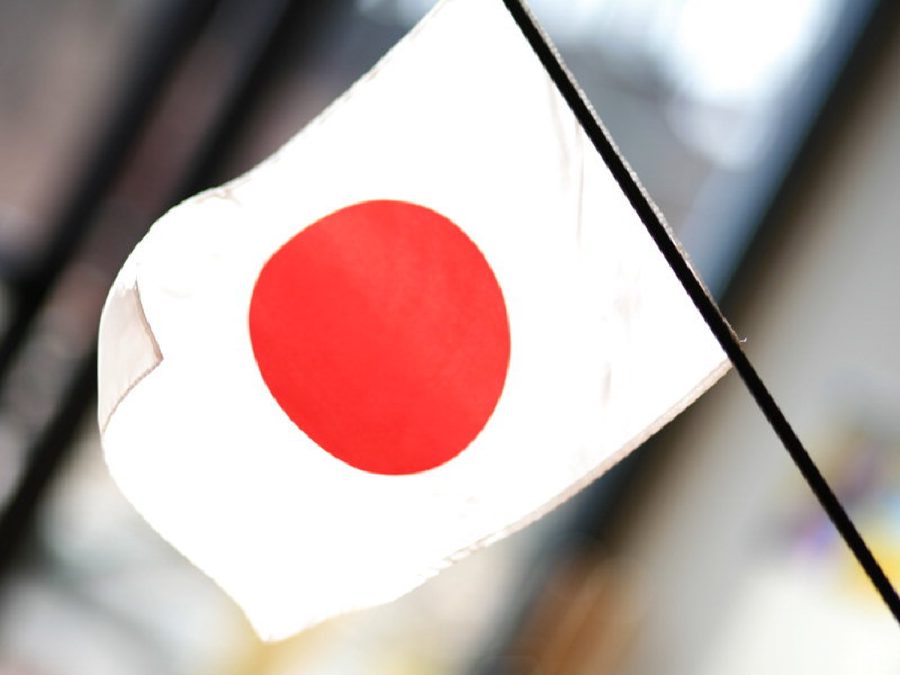
なかにあかいボールがあります。
これは、にほんのはたです。
これは、わたしのはたです。
Translation
Try reading it first, then tap to show the English
- I am holding a flag.
- The flag is white.
- Inside, there is a red ball.
- This is Japan’s flag.
- This is my flag.
The story at a glance
- Pattern: これは、〇〇のはたです。 Only the owner slot changes: にほん (Japan) → わたし (me).
- Ideas: holding something; describing it (white, with a red ball inside: the red circle of the photo); then naming it: Japan’s flag, and my flag.
- Reading tip: no spaces, so find the particles (は を に が の) first; the verb or です is last. Particle は = “wa”, を = “o”, but the は inside はた stays “ha”.
Sentence by sentence
わたしははたをもっています。
Watashi wa hata o motte imasu. I am holding a flag.
- わたし私I, me
- はtopic marker
- はた旗flag
- をobject marker
- もって持ってhold (て-form)
- いますis (polite)
Structure[Topic は] [Object を] [Verb て + います]
- わたし (私) = “I”. The story starts with the speaker, so は marks わたし as the topic: “as for me…”.
- を marks what is being held: はた. The verb comes last.
- もつ → もって + います = “is holding” (it can also mean “has”). The rule: つ → って.
- Chunk it: わたしは / はたを / もっています. Particles close each chunk.
はたは、しろいです。
Hata wa, shiroi desu. The flag is white.
- はた旗flag
- はtopic marker
- しろい白いwhite
- ですis (polite ending)
Structure[Topic は] [い-adjective] です
- The flag was already mentioned in sentence 1, so it is now the known topic: は, not が.
- Two は side by side: は (the first syllable of 旗, read “ha”) and the topic particle は (read “wa”): “hata wa”.
- しろい (白い) is an い-adjective. Adjective + です = polite “is white”. The comma 、 is just a pause after the topic.
なかにあかいボールがあります。
Naka ni akai bōru ga arimasu. Inside (it), there is a red ball.
- なか中inside
- にin / at (place)
- あかい赤いred
- ボールball
- がsubject marker
- ありますthere is (things)
Structure[Place に] [Adjective + Noun が] あります
- なかに = “inside”. What it is inside (the flag) is obvious, so it is left out.
- あかい (赤い) goes straight before the noun: あかいボール = “a red ball”.
- が introduces something new: the red ball appears for the first time.
- あります = “there is” for things; います is for living beings. ボール is a thing, so あります.
- ボール is written in katakana because it is a loanword (English “ball”). The bar ー lengthens the vowel: bōru.
これは、にほんのはたです。
Kore wa, Nihon no hata desu. This is Japan’s flag.
- これthis
- はtopic marker
- にほん日本Japan
- のof / ’s
- はた旗flag
- ですis (polite ending)
Structure[Topic は] [Noun の Noun] です
- これ = “this”, the thing close to the speaker. Here it is the flag in わたし’s hand.
- にほんのはた = “Japan’s flag” (の = “’s”). It is also the title of the story. にほん can also be read にっぽん.
- A は B です = “A is B”: これ = にほんのはた.
これは、わたしのはたです。
Kore wa, watashi no hata desu. This is my flag.
- これthis
- はtopic marker
- わたし私I, me
- のof / ’s
- はた旗flag
- ですis (polite ending)
Structure[Topic は] [Noun の Noun] です
- Same frame as sentence 4: only the owner changes. わたし + の = “my”.
- Compare わたしは (“I” as topic, sentence 1) and わたしの (“my”). One small particle changes the job of the word.
- The story closes on わたしのはた: the flag of Japan is also the flag in the speaker’s hand.
Repeats: sentence 5 repeats the frame of sentence 4 (これは、〇〇のはたです。); sentence 2 picks up the はた of sentence 1; the title にほんのはた is the phrase from sentence 4.
Vocabulary
- あかい 赤い
- red (い-adj)
- あります —
- there is, to exist (things) (verb, polite) · いる / います is for living things.
- います —
- to be (living things) (verb, polite) · also the helper in 〜ています.
- これ —
- this (near me) (pronoun) · それ, あれ, どれ.
- しろい 白い
- white (い-adj)
- です —
- is / am / are (polite) · Ends polite statements: A は B です.
- なか 中
- inside, middle (noun) · なかに = inside.
- にほん 日本
- Japan (noun) · also read にっぽん.
- はた 旗
- flag (noun) · the new word of the story.
- ボール —
- ball (noun, loanword) · katakana; from English “ball”.
- もつ 持つ
- to hold, to carry, to have (u-verb) · て-form: もって; もっています = is holding.
- わたし 私
- I, me (pronoun) · わたしの = my.
Particles
| Particle | Job | From the story | Note |
|---|---|---|---|
| は (wa) | Topic: “as for…” | わたしは はたを もっています。 | Known information. Also: はたは、しろいです。 これは… |
| が (ga) | Subject, new information | なかに あかいボールが あります。 | Introduces something for the first time. |
| を (o) | Direct object | はたを もっています。 | Marks what the action is done to. |
| に (ni) | Place of existence | なかに あります。 | With あります / います: where something is. |
| の (no) | “of / ’s” | にほんの はた · わたしの はた | Links two nouns: owner の thing. |
Key grammar
Four sentence frames, five sentences
| Frame | Example | Sentence |
|---|---|---|
| [Topic は] [Object を] [Verb て + います] | わたしは はたを もっています | 1 |
| [Topic は] [い-adj] です | はたは しろいです | 2 |
| [Place に] [Thing が] あります | なかに あかいボールが あります | 3 |
| [A は] [B の Noun] です | これは にほんの はたです / わたしの はたです | 4, 5 |
います or あります?
| Verb | Used for | Example |
|---|---|---|
| います | people, animals (living) | ねこがいます。 There is a cat. |
| あります | things (not living) | ボールがあります。 There is a ball. |
The story uses あります because a ball is a thing. Dictionary forms: いる, ある.
これ · それ · あれ · どれ
| Word | Meaning |
|---|---|
| これ | this (near me) |
| それ | that (near you) |
| あれ | that over there |
| どれ | which one? |
The flag is in the speaker’s hand, so the story says これ.
は or が?
| Phrase | Why |
|---|---|
| わたしは | topic: “as for me” |
| はたは | already known (sentence 1) |
| あかいボールが | new information, first mention |
Rule of thumb: first mention → が; afterwards → は.
の joins two nouns
| Pattern | Meaning |
|---|---|
| にほんのはた | Japan’s flag |
| わたしのはた | my flag |
Pattern: [owner] の [thing]. The owner comes first, the thing last. Note: わたしは = “I (topic)”, わたしの = “my”.
〜ています: “is doing” / “is in the state of”
| Verb | て-form rule | Result |
|---|---|---|
| もつ (持つ) | つ → って | もっています = is holding |
| かく (書く) Story 2 | く → いて | かいています = is writing |
| ねる (寝る) Story 2 | drop る + て | ねています = is sleeping |
Only もつ is in this story; the other two are reviewed from Story 2.
Katakana and adjectives
| Piece | What it does |
|---|---|
| ボ | ホ (ho) + two dots ゛ = bo |
| ー | long-vowel bar: ボー = bō |
| ル | ru → ボール = bōru (ball) |
Katakana is for foreign words, names and emphasis; hiragana for native words.
い-adjectives (あかい, しろい) go straight before a noun (あかいボール) or take です at the end (しろいです).