Story 9 · Lessons 1–8
わたしのベッド
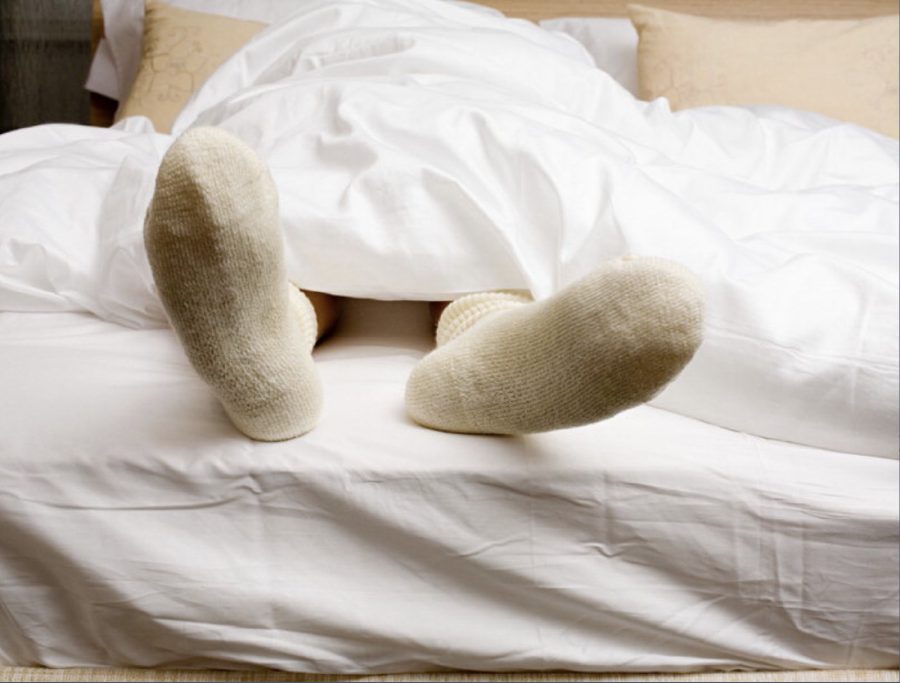
これはにほんのおおさかにあるわたしのアパートです。アパートのなかに、いすもテーブルもありません。でも、おおきいしろいベッドがあります。ベッドのうえにしろいシーツとしろいまくらとしろいもうふがあります。
わたしはベッドにすわります。ベッドでねます。ベッドのうえでたべます。ベッドのうえでみずをのみます。ベッドのうえでほんをよみます。ベッドのうえでべんきょうします。そして、ベッドのうえでいぬとあそびます。
わたしはベッドにすんでいます。
Translation
Try reading it first, then tap to show the English
- This is my apartment in Osaka, Japan. In the apartment, there is neither a chair nor a table. But there is a big white bed. On the bed there are a white sheet, a white pillow and a white blanket.
- I sit on the bed. I sleep in the bed. I eat on the bed. I drink water on the bed. I read books on the bed. I study on the bed. And I play with a dog on the bed.
- I live on the bed.
The story at a glance
- Pattern: ベッドのうえで 〇〇を △△ます。 Only the slots change (what you do, what you do it to).
- Ideas: first what the room does not have (ありません: no chair, no table), then what it does have (あります: a big white bed, all white); then seven things done on the bed; the punchline: “I live on the bed”.
- Two “exist” verbs: ある / あります is for things (bed, chair, table). In story 2 you met いる / います for living beings. The negative of あります is ありません.
- Place particles: に = where something is (ある, すむ, すわる) · で = where an action happens (ねる, たべる, のむ, よむ…).
- Reading tip: no spaces, so find the particles (は が を に で と の も) first; the verb or です is last. は = “wa”, を = “o”.
Sentence by sentence
これはにほんのおおさかにあるわたしのアパートです。
Kore wa Nihon no Ōsaka ni aru watashi no apāto desu. This is my apartment in Osaka, Japan.
- これthis
- はtopic marker
- にほん日本Japan
- のof
- おおさか大阪Osaka
- にat (place)
- ある有るexists (plain)
- わたし私I / me
- の’s
- アパートapartment
- ですis (polite)
Structure[これ は] [[Place に] ある] [わたしの アパート] です
- これは A です = “This is A”. これ points to something near the speaker. にほんのおおさか = “Osaka of Japan” (の links the two nouns).
- おおさかにある + わたしのアパート: ある is the plain form of あります. Placed right before a noun, it describes it: “the apartment that is in Osaka”. に + ある = exists at a place (things, not living beings).
アパートのなかに、いすもテーブルもありません。
Apāto no naka ni, isu mo tēburu mo arimasen. In the apartment, there is neither a chair nor a table.
- アパートapartment
- のof
- なか中inside
- にin (place)
- いす椅子chair
- もalso
- テーブルtable
- もalso
- ありませんthere is not
Structure[Place の なか に] [A も B も] ありません
- アパートのなか = “the inside of the apartment”: の + a location noun (なか inside, うえ top…) gives “in / on the …”.
- A も B も + negative = “neither A nor B”. も (“also”) after each noun, then a negative verb. ありません = the negative of あります (ます → ません).
でも、おおきいしろいベッドがあります。
Demo, ōkii shiroi beddo ga arimasu. But there is a big white bed.
- でもbut
- おおきい大きいbig
- しろい白いwhite
- ベッドbed
- がsubject marker
- ありますthere is
Structureでも、 [Adj + Adj + Noun が] あります
- でも = “but”, at the start of a sentence. It contrasts with the sentence before (no chair, no table… but a bed).
- Two い-adjectives can be stacked before a noun: おおきい しろい ベッド = “big white bed”. が introduces a new thing (first mention). Compare ありません (2) ↔ あります (3).
ベッドのうえにしろいシーツとしろいまくらとしろいもうふがあります。
Beddo no ue ni shiroi shītsu to shiroi makura to shiroi mōfu ga arimasu. On the bed there are a white sheet, a white pillow and a white blanket.
- ベッドbed
- のof
- うえ上top
- にon (place)
- しろい白いwhite
- シーツsheet
- とand
- しろい白いwhite
- まくら枕pillow
- とand
- しろい白いwhite
- もうふ毛布blanket
- がsubject marker
- ありますthere is
Structure[Place の うえ に] [A と B と C が] あります
- ベッドのうえ = “the top of the bed” → ベッドのうえに = “on the bed”. に + あります says where something is.
- A と B と C = “A and B and C”: と joins nouns only. The adjective しろい is repeated before each noun. One が at the end marks the whole list as the subject.
わたしはベッドにすわります。
Watashi wa beddo ni suwarimasu. I sit on the bed.
- わたし私I / me
- はtopic marker
- ベッドbed
- にonto / at
- すわります座りますsit (polite)
Structure[Topic は] [Place に] [Verb ます]
- わたしは = “as for me”: the topic for the whole second paragraph, so the following sentences leave it out.
- すわる → すわります (u-verb: ます form = る → り + ます). に marks where you end up: you sit down onto the bed.
ベッドでねます。
Beddo de nemasu. (I) sleep in the bed.
- ベッドbed
- でat (action)
- ねます寝ますsleep (polite)
Structure[Place で] [Verb ます]
- で marks the place where an action happens (sleeping, eating…). ねる → ねます (る-verb: drop る, add ます). The subject わたし is understood, so it is dropped.
ベッドのうえでたべます。
Beddo no ue de tabemasu. (I) eat on the bed.
- ベッドbed
- のof
- うえ上top
- でat (action)
- たべます食べますeat (polite)
Structure[Place の うえ で] [Verb ます]
- ベッドのうえで = “on top of the bed (where the action happens)”: same place as 6, a bit more precise. たべる → たべます (る-verb). No object is said: “eat” in general.
ベッドのうえでみずをのみます。
Beddo no ue de mizu o nomimasu. (I) drink water on the bed.
- ベッドbed
- のof
- うえ上top
- でat (action)
- みず水water
- をobject marker
- のみます飲みますdrink (polite)
Structure[Place の うえ で] [Object を] [Verb ます]
- を marks what the action is done to: みずを = “water” (the thing drunk). のむ → のみます (u-verb: む → み + ます). Order: place, object, verb last.
ベッドのうえでほんをよみます。
Beddo no ue de hon o yomimasu. (I) read books on the bed.
- ベッドbed
- のof
- うえ上top
- でat (action)
- ほん本book
- をobject marker
- よみます読みますread (polite)
Structure[Place の うえ で] [Object を] [Verb ます]
- Same frame as 8: only the slots change. よむ → よみます (u-verb, like のむ). No number is given, so ほん can be “a book” or “books”: Japanese nouns have no plural.
ベッドのうえでべんきょうします。
Beddo no ue de benkyō shimasu. (I) study on the bed.
- ベッドbed
- のof
- うえ上top
- でat (action)
- べんきょう勉強study
- しますdo (polite)
Structure[Place の うえ で] [Noun + します]
- べんきょう is a noun (“study”); with する (“to do”) it becomes a verb: べんきょうする → べんきょうします. する is irregular (します). Many nouns work this way: りょうり + する = to cook.
そして、ベッドのうえでいぬとあそびます。
Soshite, beddo no ue de inu to asobimasu. And (I) play with a dog on the bed.
- そしてand then
- ベッドbed
- のof
- うえ上top
- でat (action)
- いぬ犬dog
- とwith
- あそびます遊びますplay (polite)
Structureそして、 [Place の うえ で] [Companion と] [Verb ます]
- そして = “and (then)”: it adds the last item of the list. と now means “with” (a companion): いぬと = “with a dog”. In sentence 4, と meant “and” between nouns.
- あそぶ → あそびます (u-verb: ぶ → び + ます).
わたしはベッドにすんでいます。
Watashi wa beddo ni sunde imasu. I live on the bed.
- わたし私I / me
- はtopic marker
- ベッドbed
- にat (place)
- すんで住んでlive (て-form)
- いますis (polite)
Structure[Topic は] [Place に] [Verb て + います]
- すむ → すんで + います = “live / reside” (a continuing state, like もっています in story 2). て-form rule: む → んで (also ぶ and ぬ: あそぶ → あそんで).
- に here = the place you live (not で: living is a state, not an action). The punchline: all of life happens on the bed.
Vocabulary
- あそぶ 遊ぶ
- to play (u-verb) · あそびます, あそんで.
- アパート —
- apartment (noun) · From English “apartment”.
- ある 有る
- to exist, to be (things) (u-verb) · あります (polite), ありません (not).
- いす 椅子
- chair (noun)
- いぬ 犬
- dog (noun)
- うえ 上
- top, above, on (noun) · ベッドのうえ = on the bed.
- おおきい 大きい
- big, large (い-adj)
- おおさか 大阪
- Osaka (proper noun) · Big city in west Japan.
- これ —
- this (thing) (pronoun) · これは A です = this is A.
- シーツ —
- (bed) sheet (noun) · From English “sheets”.
- しろい 白い
- white (い-adj) · Repeated 3× in sentence 4.
- すむ 住む
- to live, to reside (u-verb) · すんで います = lives.
- すわる 座る
- to sit (down) (u-verb) · すわります.
- そして —
- and, and then (conjunction) · Starts a sentence.
- たべる 食べる
- to eat (る-verb) · たべます.
- テーブル —
- table (noun) · From English “table”.
- です —
- is / am / are (polite) · A は B です.
- でも —
- but (conjunction) · Starts a sentence.
- なか 中
- inside, in (noun) · アパートのなか.
- にほん 日本
- Japan (proper noun)
- ねる 寝る
- to sleep, to go to bed (る-verb) · ねます.
- のむ 飲む
- to drink (u-verb) · のみます.
- ベッド —
- bed (noun) · From English “bed”.
- べんきょう 勉強
- study (noun) · べんきょうする = to study.
- ほん 本
- book (noun)
- まくら 枕
- pillow (noun)
- みず 水
- water (noun)
- もうふ 毛布
- blanket (noun)
- よむ 読む
- to read (u-verb) · よみます.
- わたし 私
- I, me (pronoun) · わたしの = my.
Particles
| Particle | Job | From the story | Note |
|---|---|---|---|
| は (wa) | Topic: “as for…” | わたしはベッドにすわります。 | Sets the subject of the paragraph; later sentences drop it. |
| が (ga) | Subject, new information | おおきいしろいベッドがあります。 | Introduces the bed for the first time. |
| を (o) | Direct object | みずをのみます。 | Marks what the action is done to. |
| に (ni) | Place of existence / arrival | ベッドにすんでいます。 | With ある, すわる, すむ: where something is or ends up. |
| で (de) | Place of action | ベッドのうえでたべます。 | With action verbs: where it happens. |
| と (to) | “and” / “with” | シーツとまくら · いぬとあそびます | Joins nouns (and), or marks a companion (with). |
| の (no) | “of / ’s” | にほんのおおさか · わたしのアパート | Links two nouns: owner の thing. |
| も (mo) | “also”; with negative: “neither… nor” | いすもテーブルもありません。 | Replaces は / が / を (“too”). |
Key grammar
ます-form: the polite verb
| Dictionary | Polite | Rule |
|---|---|---|
| すわる 座る | すわります | u-verb: る → り |
| ねる 寝る | ねます | る-verb: drop る |
| たべる 食べる | たべます | る-verb: drop る |
| のむ 飲む | のみます | u-verb: む → み |
| よむ 読む | よみます | u-verb: む → み |
| あそぶ 遊ぶ | あそびます | u-verb: ぶ → び |
| する | します | irregular |
| すむ 住む | すんでいます | て-form: む → んで |
Choosing the right word
| Question | Use |
|---|---|
| Where is a thing? | [Place] に ある — ベッドのうえにシーツがあります |
| Where does an action happen? | [Place] で verb — ベッドでねます |
| Where do I live / sit? | [Place] に — ベッドにすんでいます |
| A and B (nouns) | A と B — シーツとまくら |
| Do it with someone | Person と verb — いぬとあそびます |
| Neither A nor B | A も B も ありません |
Tip: い-adjectives go straight before a noun (おおきいベッド, しろいシーツ). Stack them to add detail.